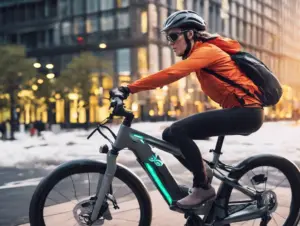

Mountain e-bikes, or electric mountain bikes (e-MTBs), are designed to provide enhanced performance and comfort on rough terrains, combining the features of traditional mountain bikes with the added benefit of electric assistance. Here’s a detailed description of the main features of mountain e-bikes:
Key Features of Mountain E-Bikes
-
Electric Motor:
- Motor Types: Typically equipped with either hub motors (located in the wheel hub) or mid-drive motors (located near the bike’s crank). Mid-drive motors are more common in e-MTBs due to their balanced weight distribution and better performance on steep climbs.
- Power Output: Commonly ranging from 250W to 750W, providing varying levels of assistance based on the rider’s needs and local regulations.
-
Battery:
- Battery Capacity: Measured in watt-hours (Wh), with capacities typically ranging from 400Wh to 700Wh, affecting the range and duration of assistance.
- Battery Placement: Integrated into the frame, mounted on the downtube, or placed on a rear rack for balanced weight distribution.
- Removable Batteries: Many e-MTBs feature removable batteries for easy charging and replacement.
-
Pedal Assist and Throttle:
- Pedal Assist: Provides assistance based on the rider’s pedaling effort, with multiple levels of assistance to choose from.
- Throttle: Some e-MTBs include a throttle that allows the rider to engage the motor without pedaling, offering a boost when needed.
-
Frame Design:
- Robust Frame: Typically made from materials like aluminum, carbon fiber, or steel, providing strength and durability to withstand rough conditions.
- Geometry: Designed for stability and control, with a sloping top tube and a longer wheelbase.
-
Suspension:
- Front Suspension (Hardtail): Bikes with suspension forks on the front wheel to absorb shocks and provide a smoother ride.
- Full Suspension: Bikes with both front and rear suspension, offering enhanced comfort and control on rough terrains.
- Suspension Travel: The amount of movement in the suspension system, typically ranging from 100mm to 160mm for trail bikes and up to 200mm for downhill bikes.
-
Tires and Wheels:
- Wide Tires: Typically 2.2 to 2.8 inches wide, providing better traction and stability on uneven surfaces.
- Knobby Tread: Aggressive tread patterns for improved grip on dirt, mud, and rocks.
- Wheel Size: Commonly 27.5-inch or 29-inch wheels, offering a balance between speed and maneuverability.
-
Gearing:
- Wide Range of Gears: Equipped with multiple gears to handle various terrains, including steep climbs and fast descents.
- Single Chainring: Many modern e-MTBs use a single chainring setup for simplicity and reliability.
-
Brakes:
- Disc Brakes: Hydraulic or mechanical disc brakes for reliable stopping power in all weather conditions.
- Large Rotors: Larger brake rotors for increased braking performance, especially on steep descents.
-
Handlebars:
- Flat or Riser Handlebars: Wide handlebars for better control and stability.
- Ergonomic Grips: Designed to reduce hand fatigue during long rides.
-
Pedals:
- Flat Pedals: Suitable for casual riding and technical trails, providing a large surface area for foot placement.
- Clipless Pedals: Used by more experienced riders for better power transfer and control.
-
Accessories and Features:
- Dropper Seatpost: Allows the rider to adjust the seat height on the fly for better control on descents.
- Frame Protection: Integrated frame guards to protect against impacts and debris.
- Mounts for Accessories: Mounts for attaching water bottles, tool kits, and other essentials.
Benefits of Mountain E-Bikes
- Enhanced Performance: Electric assistance makes it easier to tackle steep climbs and rough terrains, enhancing overall performance.
- Extended Range: Larger battery capacities allow for longer rides without worrying about running out of power.
- Comfort: Features like full suspension systems and ergonomic designs provide a comfortable ride on uneven surfaces.
- Versatility: Suitable for various off-road conditions, from trails to mountains.
Challenges and Considerations
- Weight: E-MTBs can be heavier than traditional mountain bikes due to the motor and battery, affecting speed and maneuverability.
- Maintenance: Requires regular maintenance, especially for components like the motor, battery, and suspension systems.
- Cost: High-quality e-MTBs with advanced features can be expensive.
Future Trends
- Advanced Battery Technology: Development of lighter, more efficient batteries with longer ranges.
- Smart Features: Integration of smart technology, such as GPS tracking, electronic shifting, and fitness monitoring.
- Customization: Increasing availability of customizable e-MTBs to cater to individual preferences and needs.
Mountain e-bikes offer a practical, efficient, and eco-friendly solution for off-road cycling, combining the benefits of traditional mountain bikes with the added convenience of electric assistance. Whether for casual trail riding or competitive racing, e-MTBs are designed to meet the needs of riders and enhance their overall riding experience.