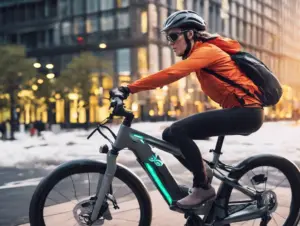

Commuter e-bikes, or electric commuter bicycles, are designed to provide an efficient, comfortable, and eco-friendly means of transportation for daily commuting. These bikes are equipped with electric motors that assist with pedaling, making it easier to cover longer distances and tackle hills with less effort. Here’s a detailed description of commuter e-bikes:
Key Features of Commuter E-Bikes
Electric Motor:
- Motor Types: Typically equipped with either hub motors (located in the wheel hub) or mid-drive motors (located near the bike’s crank).
- Power Output: Commonly ranging from 250W to 750W, providing varying levels of assistance based on the rider’s needs and local regulations.
Battery:
- Battery Capacity: Measured in watt-hours (Wh), with capacities typically ranging from 300Wh to 700Wh, affecting the range and duration of assistance.
- Battery Placement: Integrated into the frame, mounted on the downtube, or placed on a rear rack for balanced weight distribution.
- Removable Batteries: Many e-bikes feature removable batteries for easy charging and replacement.
Pedal Assist and Throttle:
- Pedal Assist: Provides assistance based on the rider’s pedaling effort, with multiple levels of assistance to choose from.
- Throttle: Some e-bikes include a throttle that allows the rider to engage the motor without pedaling, offering a boost when needed.
Frame Design:
- Durable Frame: Made from materials like aluminum, steel, or carbon fiber, providing strength and durability.
- Comfort Geometry: Designed for an upright riding position, reducing strain on the back and neck and enhancing comfort during long rides.
Tires and Wheels:
- Medium Width Tires: Wider than road bike tires but narrower than mountain bike tires, offering a balance between speed and stability.
- Puncture-Resistant Tires: Often equipped with puncture-resistant tires to minimize the risk of flats during commutes.
- Reflective Sidewalls: Some models feature reflective sidewalls for enhanced visibility in low-light conditions.
Gearing:
- Wide Range of Gears: Equipped with multiple gears to handle various terrains, including flat roads and hills.
- Internal Gear Hubs: Some commuter e-bikes use internal gear hubs for low maintenance and reliable shifting.
Brakes:
- Disc Brakes: Hydraulic or mechanical disc brakes for reliable stopping power in all weather conditions.
- Regenerative Braking: Some advanced models feature regenerative braking systems that recharge the battery during braking.
Handlebars:
- Flat or Riser Handlebars: Designed for an upright riding position, providing better control and comfort.
- Ergonomic Grips: Often equipped with ergonomic grips to reduce hand fatigue during long rides.
Accessories and Features:
- Fenders: Full or partial fenders to protect the rider from mud and water splashes.
- Racks: Rear and/or front racks for carrying bags, groceries, or other cargo.
- Lights: Integrated front and rear lights for enhanced visibility and safety during night rides.
- Kickstand: Often equipped with a kickstand for convenient parking.
- Bell: A bell for alerting pedestrians and other cyclists.
Comfort Features:
- Comfortable Saddle: Padded and ergonomically designed saddles for a comfortable ride.
- Suspension Seatpost: Some models feature suspension seatposts to absorb shocks and provide a smoother ride.
Security Features:
- Lock Mounts: Integrated mounts for attaching bike locks securely.
- GPS Tracking: Some advanced models come with GPS tracking systems for added security.
Benefits of Commuter E-Bikes
- Efficiency: Electric assistance makes commuting faster and easier, especially over long distances and hilly terrain.
- Comfort: Features like upright geometry, ergonomic grips, and comfortable saddles enhance rider comfort.
- Practicality: Equipped with accessories like racks, fenders, and lights, making them suitable for carrying cargo and riding in various conditions.
- Eco-Friendly: Provides a sustainable and environmentally friendly alternative to cars and public transportation.
Challenges and Considerations
- Weight: E-bikes can be heavier than traditional bikes due to the motor and battery, affecting speed and maneuverability.
- Maintenance: Regular maintenance is required to keep the bike in good condition, especially for components like the motor and battery.
- Cost: High-quality e-bikes with advanced features can be expensive.
Future Trends
- Advanced Battery Technology: Development of lighter, more efficient batteries with longer ranges.
- Smart Features: Integration of smart technology, such as GPS tracking, electronic shifting, and fitness monitoring.
- Customization: Increasing availability of customizable e-bikes to cater to individual preferences and needs.
Commuter e-bikes offer a practical, efficient, and eco-friendly solution for daily transportation, combining the benefits of traditional bikes with the added convenience of electric assistance. Whether for commuting to work, running errands, or leisurely rides, e-bikes are designed to meet the needs of urban riders and enhance their overall riding experience.